
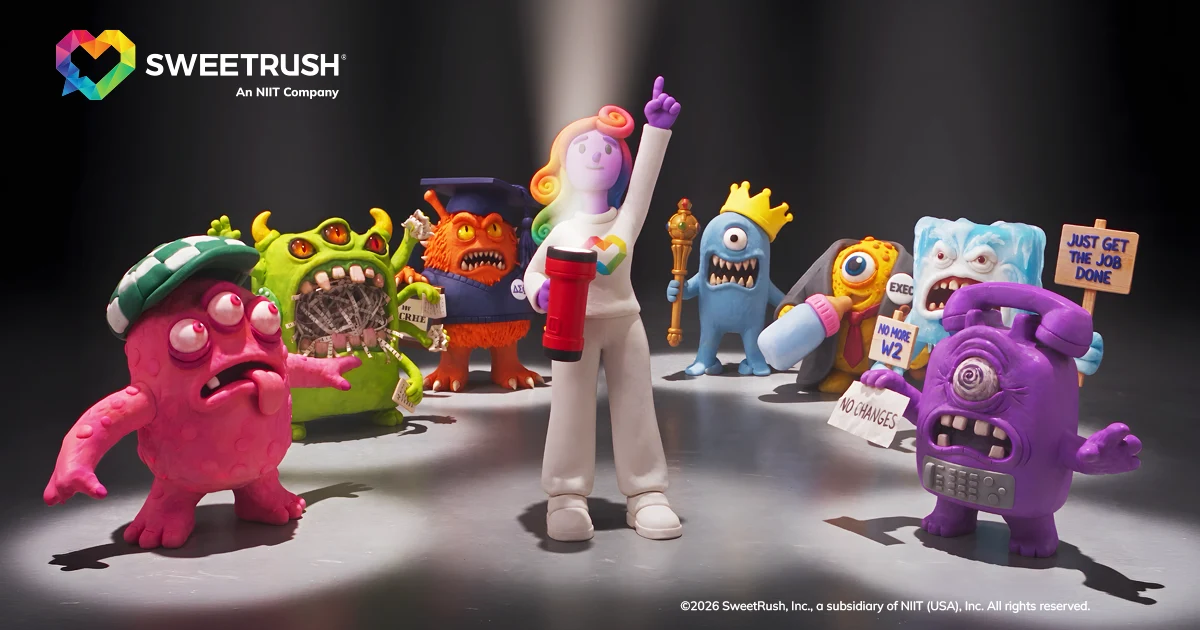
DevLearn is always packed with inspiring conversations, and the 2026 edition was no exception. And though Halloween was already a wrap by the time we convened at the MGM Grand, our team spent the week focused on monsters of a different type: the fearsome beasts L&D leaders face all year long.
Some are noisy and disruptive, demanding immediate attention, while others are sneaky, quietly eroding engagement behind the scenes.
It’s easy to view these monsters as a menace, but they’re not inherently bad. In fact, facing them challenges us to innovate, prioritize, and ultimately stay sharp. The good news: All L&D monsters can be tamed when we bring them out of the shadows and illuminate them with the collective light of our shared ingenuity and experience.
As we look toward 2027, let’s unmask the lineup of monsters lurking in our L&D agendas and explore what they really mean for our learning strategy. The following seven suspects are composite sketches created with the collective vision of L&D leaders and innovators across an incredibly diverse range of regions, industries, and organizations.
What It Says: “I'm not saying ‘no.’ I'm just saying our 15-year-old servers will literally catch fire, and I have 47 slides proving it.”
The Reality: This monster represents the fear of systemic risk: When legacy technology and operational silos hold you back, innovation can feel dangerous. To tame it, we need to hear its healthy skepticism—and design custom learning frameworks rooted in compliance and risk mitigation, ensuring that our learning solutions are safe, measurable, and prepared to address all 47 of those slides.
What It Says: “Skills? Oh, we did skills. There’s a spreadsheet. 2,400 rows. Nobody’s opened it since the consultant left. But my diploma? Everybody looks at this.”
The Reality: This beast runs wild in the gap between a static competency list and a dynamic talent strategy. It haunts organizational leaders who know they need a skills-based learning strategy to remain competitive, but they are reluctant to invest in another lengthy skills inventory that stays on the shelf. To tame this monster, we must convince it that we’re not looking to create more rigid checklists but a living skills strategy tied to real roles and business goals.
What It Says: “Succession plan? I’m not going anywhere. I’ve been ‘retiring next year’ since 2011. The moat here keeps out the high-potentials. And as for AI, it's just a fad.”
The Reality: Behind this creature’s bluster lies a fear of change and a stalled leadership pipeline. To tame it, we must show respect for its very real accomplishments—and help it build leadership programs that spot potential early and prepare people to lead in an AI-enabled workplace…not tumble into the moat.
What It Says: “AI training? Waste of money. It changes every day anyway. Just let ’em prompt. They’ll figure it out. Look how productive they are already!”
The Reality: The Shredder feeds on the dangerous assumption that simply giving employees access to AI tools automatically boosts productivity. We can tame it by helping it see how this approach to AI fills the organization with dangerous “slop” and security risks. Once it’s freed from the trap of believing that enterprise AI fluency equals prompting, it can become a true ally in building AI fluency that lasts, even as the technology continues to evolve.
What It Says: “A coach for every employee? Please. Coaches are for elite performers. Pro golfers. Movie stars. Me.”
The Reality: This monster is a gatekeeper of a bygone era when personalized, 1:1 coaching was a luxury reserved for the C-suite. We can tame this monster by appealing to its growth mindset and convincing it that coaching isn’t just for folks with a corner office. Inspire Only-Me-Get with the new opportunities AI offers to extend the benefits of a 24/7 multilingual, flow-of-work coach at scale…without breaking the budget.
What It Says: “Hiring freeze. No new headcount. But I need the LMS migration, the compliance refresh, and the AI academy live by Q1. Do more with less; that’s just modern business.”
The Reality: This chilling creature is the modern corporate mandate brought to life: soaring expectations paired with strict budget and hiring constraints. Though its decrees may sound cold, it’s doing its best to work with the resources it has. (Sound relatable?) We can thaw it by demonstrating how we can keep W2 headcount lean using an L&D staff augmentation strategy that brings in expert learning talent exactly when we need it to keep business-critical learning projects flowing.
What It Says: “Hey, watch me vibe code! Who needs years of judgment, working with people learning from mistakes? So 2020. Me and my AI agents could run the whole C-suite. I’m 150% over-confident.”
The Reality: This monster means well and is technically skilled—but it lacks the emotional intelligence and critical-thinking skills that are only forged through experience. To tame this monster, we need to show it how, with AI taking over entry-level work, our people are losing out on the early-career experiences where professional judgment is built. With its need for speed and embrace of technology, E3 can become a true partner in creating zero-risk practice environments that help new professionals grow quickly with realistic simulations and immediate feedback.
This lineup will look familiar to every L&D leader, though certain monsters may loom larger than others depending on your organization’s unique culture and constraints. If one of these beasts is occupying an outsized space on your learning agenda, you’re not alone.
As we look ahead to 2027, taming these monsters will take fresh perspectives, grounded solutions, and a generous dose of our signature care and unpromptability.
Ready to bring your thorniest challenges into the light? Connect with us to explore the possibilities for a fearless, future-ready learning strategy.



Connect with our industry experts on the subjects that matter most to you.


SweetRush delivers innovative learning and development solutions, including custom eLearning, immersive training, and talent development strategies.


